

Cash flow usually improves when your business shortens the gap between doing the work, sending the invoice, and getting paid while keeping expenses under control.
That may sound straightforward, but it’s where a lot of businesses start to feel squeezed. Money is going out, customers have not paid yet, and the pressure shows up fast. NFIB reported on April 14, 2026, that its Small Business Optimism Index fell to 95.8 in March, below its 52-year average of 98.0, while its Uncertainty Index rose to 92. That lines up with what many business owners are already feeling day to day.

1. Ask for deposits or partial upfront payments when appropriate
One of the simplest ways to improve cash flow is to bring in some money before the full project is complete.
That won’t make sense for every business or every client, but it can be helpful when a project involves upfront material costs, labor, or a longer timeline before final payment. In those cases, asking for a deposit, partial upfront payment, or milestone billing can reduce pressure on your cash position early.
This works especially well when the work requires your business to spend money before customer payment arrives.

2. Make it easier for customers to pay quickly
The easier it is for customers to pay, the fewer delays you create for yourself.
If your payment process is slow, confusing, or inconvenient, even customers who intend to pay on time may take longer than necessary. Offering convenient payment methods, such as ACH, card payments, or secure online payment links, can reduce friction and speed up collections.
The more effort it takes to pay you, the easier it is for payment to get pushed aside.

3. Manage outgoing payments carefully
Cash flow pressure doesn’t just come from customers paying late. It also shows up while payroll, rent, materials, and vendor bills keep moving.
This isn’t about paying bills late. It's about paying attention to timing. Look at due dates, payment terms, and what truly needs to be paid first. When possible, use your agreed terms wisely and avoid paying earlier than necessary if it will make cash tighter somewhere else.
A little planning here can take some pressure off.

4. Review accounts receivable every week
If you’re not watching receivables closely, money can get stuck longer than you realize.
A weekly review helps you see what is current, what is coming due, and what is already overdue. It also helps you spot patterns, such as certain customers consistently paying late or certain invoice amounts sitting too long.
Many cash flow issues don’t begin because there isn’t enough revenue. They begin because too much money is tied up in invoices that haven’t been collected yet.

5. Watch the timing of cash in versus cash out
A business can be busy, selling, and booked out, and still feel cash-poor from one week to the next.
That usually happens when expenses are due before customer payments arrive. Payroll, materials, rent, subscriptions, fuel, inventory, and vendor costs all continue moving, whether your invoices have been paid yet or not.
This is one reason small businesses can feel pressure even during periods of growth. More work doesn’t always mean more usable cash right away.

6. Make invoices easy to approve and easy to process
A confusing invoice can delay payment even when the customer is ready to pay.
Your invoices should be clear, accurate, and easy to understand. Include the due date, correct billing details, any required purchase order numbers, a simple breakdown of charges, and straightforward payment instructions.
The easier your invoice is to review and approve, the better your chances of getting paid without unnecessary delay.

7. Follow up on overdue invoices sooner
The longer an invoice sits unpaid, the more likely it is to create pressure somewhere else in the business.
Following up early doesn’t have to mean being aggressive. It can be a simple reminder, a quick check-in, or a short conversation to find out whether something is holding up payment. In some cases, it may also mean confirming the invoice was received, answering questions, or offering a practical path to resolution.
This matters because late payments are still a major issue for small businesses. QuickBooks reported in 2025 that 56% of surveyed small businesses were owed money from unpaid invoices, averaging about $17,500 per business.
If slow-paying customers are becoming a recurring issue, our blog How to Deal With Slow Paying Customers: Invoice Factoring takes a closer look at ways to manage that pressure.

8. Send invoices as soon as the work is done
One of the easiest ways to slow your own cash flow is to delay invoicing.
If the work is complete, the invoice should go out. Waiting days or weeks to bill a customer only pushes payment further out. That can create unnecessary strain, especially when multiple invoices are delayed at the same time.
The sooner the invoice is sent, the sooner the payment clock can start.
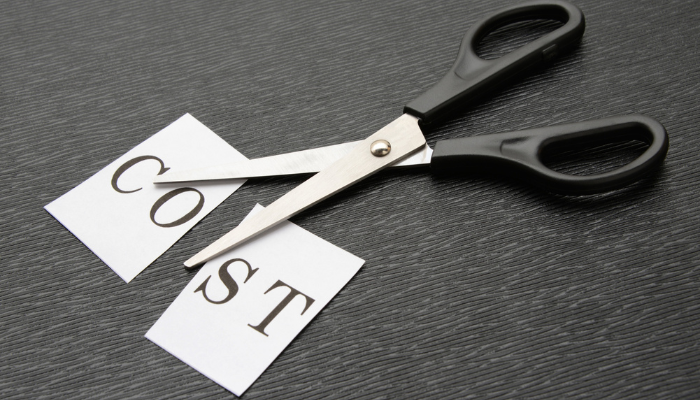
9. Cut unnecessary costs without hurting operations
Cutting costs can help, but random cuts usually create new problems. The better move is to look for expenses that are quietly draining cash without really helping the business.
Take a close look at recurring subscriptions, overlapping software, unused services, excess spending, or operating costs that are no longer pulling their weight. Even small monthly expenses can add up and quietly drain cash over time.
At the same time, be careful not to cut so much that it starts hurting your service, delivery, or ability to bring in revenue.

10. Understand your funding options before cash gets tight
It helps to look at funding options before cash flow gets tight.
Depending on the business, that could mean a line of credit, short-term financing, or a receivables-based option. If the core issue is that cash is tied up in unpaid invoices, Accounts Receivable Factoring may be worth reviewing as one possible solution.
Financial pressure doesn’t always come from weak demand. Sometimes it comes from timing, and timing problems are easier to solve when you aren't already in a crunch.
Final thoughts
Cash flow usually improves when businesses tighten the space between outgoing expenses and incoming payments.
That can mean billing faster, collecting more consistently, improving invoice clarity, watching receivables more closely, cutting avoidable costs, and planning before pressure builds. None of this is glamorous, but it works.
For many businesses, cash flow problems aren’t caused by a lack of work. They are caused by timing. When you understand that, it becomes much easier to see where change will actually help.
If cash flow pressure is starting to make decisions harder, it may help to talk through what options make the most sense for your business.
*This article was originally published on September 21, 2012, and has been updated for relevance and accuracy.