
How Invoice Factoring Helps Profitable SMBs Overcome Cash Flow Gaps and Access Growth Capital
Keep Reading to Learn More

Invoice factoring turns delayed receivables into immediate working capital for SMBs
Every week, payroll is due. But your cash is still sitting in invoices that won’t be paid for another 30 to 90 days.
This is the reality for many profitable SMBs. Revenue is strong, demand is steady, yet liquidity is unpredictable. When banks evaluate this mismatch, they don’t see growth. They see risk.
That’s how profitable businesses get labeled “non-bankable.” Not because they lack performance, but because their cash flow does not align with traditional lending models.
The good news is that this challenge also presents an opportunity. In this article, we break down why profitable SMBs are often rejected by traditional lenders and how small business invoice factoring offers a practical alternative. By the end, you’ll understand what’s really behind the “non-bankable” tag, how it affects your cash flow, and what options exist to regain financial control.
Let’s get started!
Here are the five structural reasons profitable SMBs are labeled non-bankable:
- Revenue Does Not Translate Into Immediate Cash Flow
- Capital Remains Trapped in Accounts Receivable (30–90 Day Delays)
- Lack of Traditional Collateral Limits Access to Bank Lending
- Rigid Bank Underwriting Excludes Otherwise Healthy Businesses
- Extended Cash Conversion Cycles Signal Liquidity Risk
Reason 1: Revenue Does Not Translate Into Immediate Cash Flow
Banks evaluate lending eligibility based on the consistency and timing of cash inflows rather than recorded revenue. Even when a business reports strong sales, extended payment cycles of 30–90 days delay actual cash realization. As a result, revenue remains locked in receivables, limiting immediate liquidity and weakening the company’s ability to meet short-term financial obligations.
This disconnect between revenue and cash flow puts profitable businesses at a disadvantage. Banks prioritize predictable cash flow, not recorded revenue. When cash is delayed, risk increases in the evaluation.
Accounts receivable factoring addresses this directly by converting approved invoices into immediate working capital, allowing businesses to operate on real liquidity instead of delayed payments.
Why does it matter?
- Payroll and operations must be funded before customers pay
- Delayed cash flow makes profitable businesses appear unstable to lenders
- Growth slows when working capital is locked in receivables
Real World Example: Despite securing a $97,496 commercial contract, Sunray Builders faced immediate cash strain due to delayed invoice payments, strong revenue, and weak liquidity. Factor Funding stepped in with an $11,250 advance the same week, using small business invoice factoring to bridge the gap. The fast funding enabled material purchases, payroll coverage, and timely project mobilization without operational disruption
Pro Tip: Map invoice-to-cash timelines monthly, flag customers with chronic delays, and forecast liquidity shortfalls early. Invoice factoring can stabilize working capital without increasing debt or renegotiating customer payment terms.
Reason 2: Capital Remains Trapped in Accounts Receivable (30–90 Day Delays)
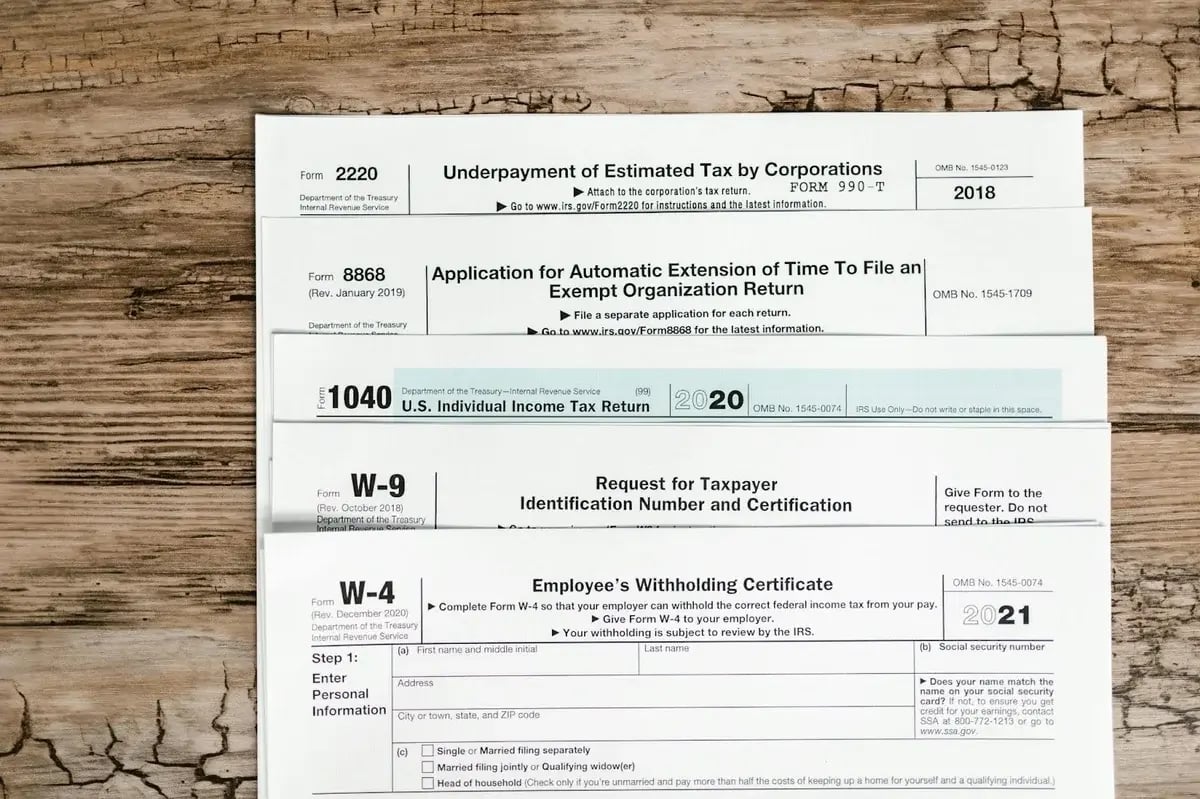
Invoice factoring bypasses collateral barriers that trigger automatic bank loan rejections
A significant portion of SMB capital remains locked in unpaid invoices, typically across 30–90 day payment cycles. While revenue is recognized on paper, cash realization is deferred, constraining liquidity.
This structural delay forces businesses to operate with limited working capital. Accounts receivable factoring removes this constraint by converting receivables into immediate cash, allowing operations to continue without waiting on payment cycles.
Why does it matter?
- Delayed receivables reduce available cash despite strong revenue performance
- Working capital gets tied up, limiting day-to-day operational flexibility
- Businesses face challenges in meeting payroll, vendor payments, and reinvestment needs
- Invoice factoring enables faster cash conversion, improving liquidity predictability
- Growth slows as capital remains inaccessible during critical business cycles
Pro Tip: Segment receivables by customer credit quality and payment behavior, then selectively apply invoice factoring through partners like Factor Funding to high-value invoices. This optimizes cost of capital while accelerating liquidity without over-dependence.
Reason 3: Lack of Traditional Collateral Limits Access to Bank Lending
Traditional lending frameworks prioritize asset-backed security, such as real estate or equipment, to mitigate risk exposure. However, many SMBs operate with asset-light models where value is concentrated in receivables rather than physical assets.
This disconnect restricts access to credit, as banks undervalue cash-generating operations. Accounts receivable factoring replaces traditional collateral requirements by using receivables as the basis for funding, enabling asset-light businesses to access capital without fixed assets.
Why does it matter?
- Asset-light businesses are systematically excluded from traditional lending channels
- Strong revenue streams are overlooked due to lack of tangible collateral
- Credit access becomes dependent on balance sheet composition, not cash flow performance
- Invoice factoring enables funding based on receivables rather than physical assets
- Growth opportunities are delayed due to constrained access to working capital
Pro Tip: Reframe your financing strategy by aligning funding with receivables quality, not asset ownership. Partner with specialists like Factor Funding to structure invoice factoring selectively, ensuring liquidity access without diluting operational flexibility or taking on restrictive debt.
Reason 4: Rigid Bank Underwriting Excludes Otherwise Healthy Businesses
Bank underwriting models rely on standardized risk parameters such as credit scores, financial history, and fixed ratios, often failing to reflect real-time business performance. As a result, operationally sound SMBs with strong receivables and growth momentum are excluded.
In contrast, invoice factoring evaluates the strength of your receivables and customers, not just your financial history, aligning funding decisions with real business activity instead of static benchmarks.
Why does it matter?
- Standardized underwriting overlooks real-time business performance and cash flow strength
- Businesses with limited credit history or non-traditional profiles face automatic rejection
- Funding decisions rely on backward-looking metrics instead of forward-looking revenue visibility
- Invoice factoring enables access to capital based on receivables, not rigid credit criteria
- High-growth businesses are restricted from scaling due to inflexible lending frameworks
Real World Example: Despite securing its first major contract, the business struggled with payroll due to uneven cash patterns and limited financial history. Factor Funding stepped in quickly, onboarding the company and funding its first invoice within a week. Through small business invoice financing, cash flow stabilized, restoring confidence and enabling smooth operational execution
Pro Tip: Map underwriting gaps against your receivables profile and deploy invoice factoring with partners like Factor Funding to bypass rigid credit filters. This ensures consistent liquidity access while maintaining momentum in high-growth phases without delays.
Reason 5: Extended Cash Conversion Cycles Signal Liquidity Risk

Industry risk and customer concentration increase lender scrutiny despite steady revenue
The longer cash stays tied up in receivables, the harder it becomes to operate and grow.
Extended cycles indicate delayed liquidity, even in profitable businesses, reducing financial agility. This lag creates operational strain and weakens credit perception. Small business invoice factoring addresses this by accelerating receivables conversion into immediate working capital.
Why does it matter?
- Longer cash cycles delay access to usable operating capital
- Liquidity gaps increase dependency on external financing during critical periods
- Banks interpret extended cycles as higher repayment and operational risk
- Invoice factoring shortens the cash conversion cycle, improving liquidity visibility
- Businesses struggle to maintain consistent cash flow despite strong revenue performance
Pro Tip: Continuously monitor your cash conversion cycle at a granular level and identify bottlenecks in receivables. Leverage invoice factoring with partners like Factor Funding to compress cycle time and maintain predictable liquidity without increasing debt exposure.
Convert Receivables Into Growth-Ready Capital With Factor Funding
Understanding why profitable SMBs are labeled “non-bankable” enables leaders to respond strategically rather than react defensively. Cash flow timing gaps, lack of traditional collateral, fragile financial structures, and customer concentration risks often matter more to lenders than revenue itself.
Factor Funding helps SMBs regain control of cash flow by focusing on the credit strength of customers rather than balance-sheet limitations. With fast access to funds and flexible structures, Factor Funding supports operational continuity, reduces financing friction, and enables confident decision-making without taking on long-term debt.
Small business invoice factoring directly addresses these constraints by unlocking working capital tied up in receivables, improving liquidity, and strengthening financial predictability.
Our approach emphasizes speed to funding, deal-level flexibility, and scalability aligned with revenue growth, ensuring capital availability evolves with business demand. This enables leadership teams to maintain payroll continuity, strengthen vendor relationships, and pursue larger contracts without introducing long-term debt or restrictive covenants.
| Challenges | Factor Funding Solutions | Benefits |
| Delayed customer payments | Advances cash against approved invoices | Faster access to working capital |
| Lack of physical collateral | Uses receivables as a financing base | No asset-heavy requirements |
| Extended cash-to-cash cycles | Accelerates invoice-to-cash conversion | Improved liquidity predictability |
| Financial volatility | Provides steady cash inflows | Greater operational stability |
| Customer concentration risk | Funds invoices individually | Reduced dependency on payment timing |
Don’t let cash flow struggles hold your business back. Explore innovative invoice factoring solutions today to unlock the capital you need for growth!
TL;DR
- Profitable SMBs are labeled non-bankable due to delayed cash flow
- Banks prioritize timing and predictability over revenue
- Invoice factoring converts receivables into immediate working capital
- Businesses can fund payroll and growth without waiting 30–90 days
FAQs
1. Will relying on alternative funding hurt my financial credibility long-term?
Many owners worry this signals weakness, but the opposite is often true. Small business invoice factoring improves cash predictability and operational control. Factor Funding helps stabilize liquidity without adding debt, which can actually strengthen how lenders assess your financial discipline over time.
2. What happens if one major customer delays payment unexpectedly?
This uncertainty creates real operational risk. With invoice factoring, you’re no longer waiting on customer payment cycles to fund payroll or suppliers. Factor Funding advances cash against approved invoices, reducing exposure to single-customer delays and smoothing cash flow volatility.
3. Is invoice-based funding flexible enough as my business scales?
Growth often increases cash strain before revenue catches up. Small business invoice factoring scales with your sales volume, not fixed limits. Factor Funding adjusts funding availability as invoices grow, helping businesses maintain momentum without renegotiating terms or taking on restrictive financing structures.
Turn “Non-Bankable” Into Forward Momentum With Factor Funding
When cash flow timing, not performance, is holding your business back, the right funding partner changes everything. Factor Funding helps profitable SMBs convert receivables into working capital, using invoice financing for small businesses to restore control, stability, and growth confidence.
- Eliminate 30–90 day waits
- Fund growth without debt
- Qualify through customer credit
- Flexible funding from $10K–$10M
Reclaim control of your cash flow and fuel growth with Factor Funding today!