How a precision manufacturer unlocked steady growth using payroll funding solutions
Speak with a Funding Specialist

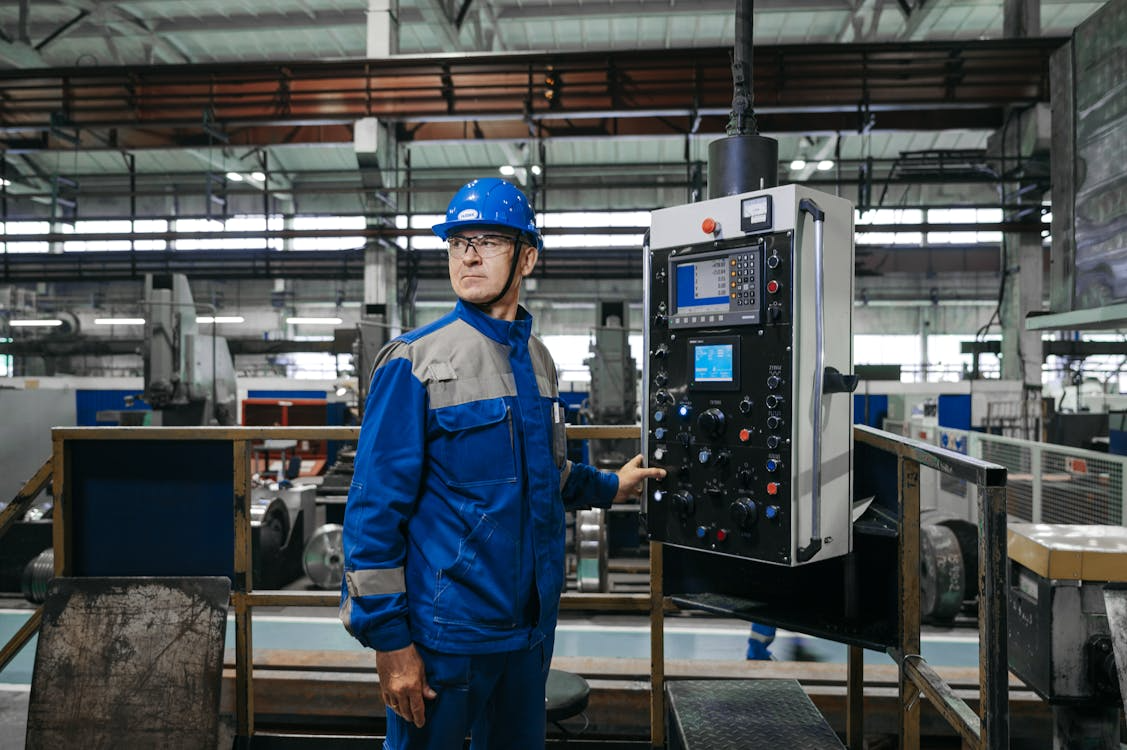
A technician monitors precision manufacturing equipment in an industrial facility, reflecting the production demands that payroll funding solutions help keep running smoothly.
In manufacturing, timing can be just as important as profitability.
Many manufacturers complete work, issue invoices, and wait weeks or even months to receive payment. During that time, employees still need to be paid, suppliers expect payment, and production must continue. Even businesses with strong demand can experience significant pressure when cash flow and payment cycles fall out of sync.
Jack Dannings, a 45-year-old owner of Carter Precision Machining, understood this reality all too well. His company specialized in producing high-precision components for aerospace and automotive customers, industries where quality, consistency, and on-time delivery were critical.
The challenge wasn't a lack of orders. Demand remained strong. The problem was that customer payments weren't arriving fast enough to support the company's ongoing obligations.
As delayed payments became more common, Jack found himself searching for reliable payroll funding solutions that could help bridge the gap between completed work and incoming cash.
Keep reading to see how a growing cash flow challenge pushed the business toward a turning point.
Why Strong Manufacturing Demand Doesn't Always Mean Strong Cash Flow
Jack had spent years building a respected manufacturing business. Long-standing customer relationships, repeat orders, and a reputation for precision had created a steady pipeline of work. Yet it seemed his business was under constant financial strain.
Every project required upfront investment. Materials had to be purchased before production began. Machines needed to run continuously. Skilled machinists, engineers, and support staff had to be paid on schedule regardless of when customers settled their invoices.
Many clients operated on 30-or 60-day payment terms. As more projects were completed, a growing portion of the company's revenue became tied up in accounts receivable.
Jack knew the situation wasn't sustainable. The business was generating revenue, but too much of that revenue remained inaccessible when it was needed most. Like many manufacturers exploring business invoice factoring, he needed a way to align cash flow with operational demands before delayed payments created larger problems.
When Late Customer Payments Threatened Payroll Stability

A close-up of invoice review and calculation work, highlighting how payroll funding solutions help businesses manage timing gaps between billing and payroll.
The situation became critical when one of Jack's largest customers informed him that payment on a substantial invoice would be further delayed.
The invoice represented a significant amount of expected cash flow and was originally scheduled to arrive before the company's next payroll cycle. Instead, the payment would be pushed back several weeks. At first, Jack assumed he could work around the delay. But as he reviewed the numbers, the challenge became clear.
Payroll was due within days. Overtime hours had accumulated on several projects. Suppliers were waiting for payment on recently delivered materials. Meanwhile, other customer invoices remained tied up in lengthy payment cycles.
Jack was in a serious crisis. His employees depended on their paychecks to support their families. Production schedules depended on maintaining a reliable workforce. A disruption to payroll could damage morale, impact retention, and create operational setbacks that would be difficult to recover from.
Determined to find a solution, Jack explored traditional financing options. Unfortunately, the process moved too slowly. Applications required extensive documentation, collateral reviews, and lengthy approval timelines. Every conversation seemed to generate more questions but no immediate answers.
As payroll day approached, the pressure intensified. The business wasn't struggling because demand had disappeared. Orders continued to come in, and customers still needed the company's products. The problem was timing.
Revenue existed, but it wasn't arriving when obligations needed to be met.
For the first time, Jack realized the business needed a funding solution specifically designed to bridge the gap between delayed customer payments and payroll responsibilities.
Delayed customer payments shouldn't put payroll at risk. Explore payroll funding solutions designed for growing manufacturers.
How Payroll Funding Solutions Closed the Gap Between Delayed Payments and Payroll
The breakthrough came when Jack stopped searching for traditional financing and started looking for a solution designed around the realities of manufacturing cash flow.
A recommendation from another business owner led him to Factor Funding. At first, he was cautious. After weeks of navigating rigid lending requirements and unclear funding conversations, he wanted to understand exactly how the process would work before committing.

Payroll funding solutions help businesses bridge cash flow gaps by turning invoices like this into immediate working capital.
What stood out was their approach to financing. Instead of focusing primarily on collateral or lengthy approval requirements, the discussion centered on the company's outstanding invoices and the customers responsible for paying them. The team reviewed Jack's receivables, explained the funding process, and showed how completed work could be converted into working capital before customer payments arrived.
Jack decided to move ahead with business invoice factoring and submitted several eligible invoices that were still awaiting payment. Within a short period, the business gained access to working capital that had previously been tied up in receivables.
The timing couldn't have been better.
The upcoming payroll cycle was covered without disruption. Employees received their paychecks on time, supplier commitments stayed on track, and production schedules remained intact despite the delayed customer payment that had triggered the crisis.
More importantly, the experience changed the way Jack viewed cash flow management. Instead of waiting and hoping customer payments arrived when needed, he now had access to payroll funding solutions that aligned with the realities of how the business operated.
Why Manufacturers Rely on Payroll Funding Solutions to Keep Growing
With a reliable source of working capital in place, Jack's business was no longer forced to react to customer payment delays. Payroll remained consistent, production schedules stayed on track, and the company could pursue new opportunities without constantly worrying about short-term cash flow disruptions.
For manufacturers facing similar challenges, the lesson is clear: strong demand and healthy revenue do not always guarantee financial flexibility. The ability to access cash when it is needed can make the difference between maintaining momentum and missing opportunities.
What sets Factor Funding apart is its focus on the strength of your receivables rather than rigid lending requirements. Through responsive service, practical industry understanding, and payroll funding solutions designed around real business cash flow cycles, manufacturers can unlock working capital without waiting for customer payments to arrive.
Keep payroll, production, and growth moving forward with funding solutions built around the way your business operates.
FAQs
1. How do payroll funding solutions help manufacturers manage delayed customer payments?
Payroll funding solutions help manufacturers access working capital when cash is tied up in unpaid invoices. Instead of waiting weeks or months for customers to pay, businesses can secure the funds needed to meet payroll obligations, pay suppliers, and maintain production schedules without disruption.
2. Is business invoice factoring a loan?
No. Business invoice factoring is not a traditional loan. It allows businesses to convert outstanding invoices into immediate working capital. Because funding is based on receivables rather than borrowing against future income, many companies use business invoice factoring to improve cash flow without taking on additional debt.
3. Can payroll funding solutions support growing manufacturers?
Yes. Payroll funding solutions are often used by manufacturers experiencing growth because larger orders typically require more labor, materials, and operational spending before customer payments arrive. By improving cash flow, businesses can take on new opportunities without placing unnecessary strain on payroll or day-to-day operations.
Protect Payroll and Unlock New Opportunities with Business Invoice Factoring
When customer payments are delayed, payroll obligations, supplier commitments, and production schedules continue. Payroll funding solutions help manufacturers bridge that gap, creating the financial flexibility needed to maintain stability and pursue growth opportunities with confidence.
Key Takeaways
- Delayed customer payments can create serious pressure even when demand remains strong.
- Payroll obligations and supplier payments must be met regardless of customer payment timelines.
- Traditional financing may not move quickly enough when immediate working capital is needed.
- Business invoice factoring converts outstanding receivables into accessible cash.
- Payroll funding solutions help manufacturers maintain operational continuity and workforce stability.
- Access to working capital allows businesses to focus on growth instead of cash flow timing.
Build a stronger cash flow strategy that keeps payroll, production, and opportunity moving forward.
Names and select identifying information have been changed to protect the privacy of individuals and organizations.