
If you run a business that delivers goods or services, chances are you have dealt with slow-paying customers. Sometimes it is forgetfulness. Sometimes it is internal approvals. And sometimes it is simply how long modern payment cycles take. Net 30 used to feel reasonable. Now Net 60 or Net 90 is not unusual.
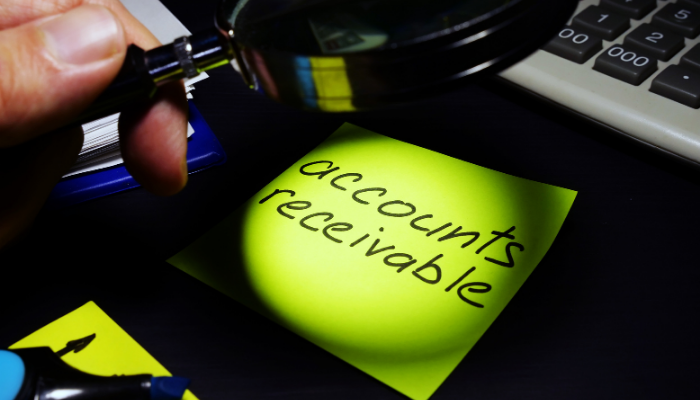
The problem usually is not selling. It is waiting. That is where cash flow pressure starts to build. Before looking at tools like invoice factoring, the first place to focus is how your receivables are being managed.

Managing Receivables Without Burning Relationships
One of the most effective ways to deal with slow-paying customers is having someone clearly responsible for receivables. When invoices go out in batches, follow-ups can easily slip through the cracks, especially when customers are juggling their own internal processes.
In many cases, customers are not refusing to pay. They are delayed, distracted, or stuck in approval cycles. A consistent reminder, a quick check-in, or a polite follow-up often moves things along faster than silence ever will.
Tone matters here. Respectful, professional communication helps protect long-term relationships. Push too hard and you risk losing a good customer. Do nothing and cash flow suffers. Even with strong receivables management, though, timing does not always improve. That usually leads to the next question

What If You Are Doing Everything Right and Payments Are Still Late?
This is where invoice factoring can help.
Invoice factoring allows you to turn unpaid invoices into working capital without waiting for customers to pay on their schedule. Instead of sitting on receivables for weeks or months, you sell those invoices to a funding company and receive an advance on most of their value right away.
The factoring company then handles collection while you use the cash to cover payroll, inventory, operating expenses, or growth opportunities. It is not about fixing bad customers. It is about smoothing timing gaps that are common in today’s business environment.
To qualify for invoice factoring, your customers do not need to pay fast. They just need to pay. A consistent history of eventual payment is what matters. The reliability of your customers is what supports the advance, not your balance sheet or credit score.
Once cash flow pressure eases, most business owners start thinking more proactively about who they are working with in the first place.

Signing Customers Who Support Healthy Cash Flow
As your business grows, being selective about customers becomes more important. Clear contracts that spell out payment terms help set expectations early. Reviewing a client’s payment history or credit profile before committing to long-term work can also prevent future headaches.
This does not mean turning away good opportunities. It means understanding the cost of slow payment and planning for it. When you work with customers who communicate clearly and pay consistently, even if slowly, cash flow becomes more predictable.
Predictability makes it easier to plan, invest, and grow without constantly reacting to late payments. That is where control starts to come back into the business.

A Practical Way to Stay in Control
Slow-paying customers are a reality for many businesses, even healthy ones. Strong receivables management helps, but it doesn’t eliminate timing gaps. Invoice factoring exists to bridge that gap and give you access to your money when you need it, not when someone else’s process finally clears.
When cash flow is steady, decisions get easier. You are no longer waiting to act. You are choosing how to move forward.
If you ever want to talk through how timing gaps are affecting your business, a straightforward conversation can help clarify whether factoring is the right tool or simply one option among many.
Originally published February 3, 2012. Updated for clarity and current business practices.